


Curtailing Jury Trials Would be a Mistake The Government’s plan to abolish some jury trials is not the answer to the issues faced by the criminal justice system.
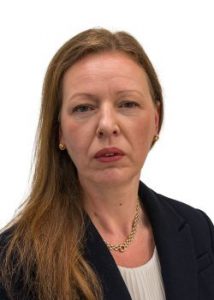
Michelle Stewart
The proposal to replace juries in England and Wales with a single judge in cases where a convicted defendant would be jailed for three years or less has attracted widespread criticism from many lawyers, myself included.
There is no dispute that there are many problems with the system at the moment, with a backlog of cases at the Crown Court reaching record levels of 80,000 and some defendants charged this year who may not face trial for four years. But research by the Institute of Government shows that the time saved by making this change will only amount to two per cent of court time.
Given that the Ministry of Justice has said more than 90 per cent of criminal cases are already heard fairly without a jury, such as at the Magistrates’ Courts, it is hard to see where a major time saving would be achieved.
There are other issues which also need to be addressed to reduce the backlog, such as a chronic under-investment in court buildings, leading to restrictions on sitting days, and a huge shortage of judges, court staff, prosecuting and defence lawyers.
We frequently see prisoners not being delivered to court in time and courtrooms sitting empty and addressing this would also be a major step forward, particularly in an area like North Yorkshire where attending court can involve time-consuming and costly travel for complainants and witnesses, as well as lawyers, especially when often repeated.
The right to trial by jury can trace its origins back to the 12th century in England, has long been a tenet of the criminal justice system and has a unique place in constitutional history. It has been a long-standing safeguard against the concentration of power in the hands of the state.
I believe that ending jury trials as suggested will also break the links with the communities affected by the very cases being heard. Not only are juries made up of diverse individuals, thanks to the selection procedure, but they are also comprised of people who have an inherent interest in how crime and criminality are dealt with at all stages in their communities.
A major independent review was carried out by former senior judge Sir Brian Leveson. He also called for jury trials to be restricted but his proposal included volunteer magistrates deciding affected cases alongside a professional judge in order to keep a link to communities.
I am not alone in my opinions. More than 3,200 lawyers, including barristers and retired judges, have written to the Prime Minister asking him to drop the plan because they believe there is no evidence it will solve the delays in criminal courts.
The letter organised by the Bar Council, which represents all barristers in England and Wales, says the plan is an attempt "to force through an unpopular, untested and poorly evidenced change to our jury system".
In common with them, I do not believe using juries has caused the crisis in the system.
I also join their call not to rush through this legislation which unnecessarily removes jury trials from thousands of people.
Michelle Stewart is a Senior Associate Solicitor in the Crime and Fraud team at McCormicks Solicitors of Harrogate and has extensive experience of handling cases in the Police Station, Magistrates’ Court, Youth Court and Crown Court.
She has conducted a wide range of criminal and fraud cases, including dishonesty, serious violent crime including murder, sexual offences, firearms matters and drug offences.

